Your Guide to Fall Abundance
Gardening at its easiest.
Growing your own food from August through first frost is a casual stroll to March through July’s marathon; days are cooler, pests are few, and the veggies are delicious. The fall garden is where all gardeners can succeed!
Traditional Fall Crops
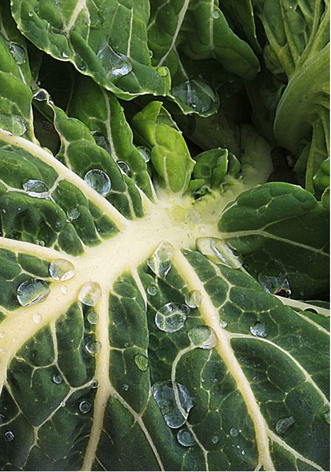
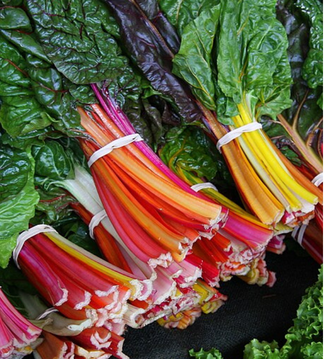
In the South, fall vegetables are brassicas (collards, cabbage, kale, broccoli, Brussels sprouts), root vegetables (turnips, beets, carrots), and leafy greens (Swiss chard, lettuce, spinach). These vegetables grow quickly in warm temperatures, and yield right as the days cool.
You can find transplants of brassicas and leafy greens at garden centers – root crops should be started from seed!
Timing = Success
Fall veggie gardening doesn’t start whenleaves drop and days cool – that’s too late. August is the time to start, autumn is the time to harvest! Plants need time to mature while it’s warm and the days are not short (see: Digging Deeper).
August is the time to start brassica seeds indoors, and sow root veggies directly outside in the garden. You can direct sow through early September.
Late August and early September are perfect to set out your brassica transplants after hardening off. Some leafy greens can be sown now too!
Fertility Yields Abundance
Fertilizer and soil amendments are important aspects of fertility. Fertilizers may feed plants, or soil, or both; soil amendments change and feed soil. Fertilizers can be organic or conventional/synthetic, and have an N-P-K (nitrogen-phosphorus-potassium) ratio.
Organics feed the plant and the soil (which then feeds the plant), and many people prefer them for growing food. They are derived from natural sources like animal and plant parts. Organics can seem expensive at first, but yield dividends over the seasons as your soil gets more rich and full of life!
Synthetics feed the plant only, and are made in a manufacturing setting from raw, manmade ingredients. Many are salt-based, and can make soils unusable with frequent use.
Choose nitrogen-forward fertilizers for brassicas and leafy greens, and phosphorus-forward fertilizers for root crops.
Digging Deeper
Plants grow when daylight is longer than 10 hours. The time of year when days are shorter than 10 hours is called the Persephone period. To account for shortening days prior to this period, add 2 weeks to days to maturity of veggie varieties in timing your planting and sowing.
Watering
Watering fall vegetables will feel different from spring watering, but comes with ease. In the late summer and early fall months, water consistently. These plants, while actively growing, enjoy healthy drinks in the heat! As the days cool and shorten, you should notice that you need to water less.
Tip: Over-watered and under-watered plants will look identical! An upright, healthy plant with a slightly dry soil surface is ideal.
Pests & Pest Control
Fall vegetable gardening comes down to battling caterpillars and aphids.
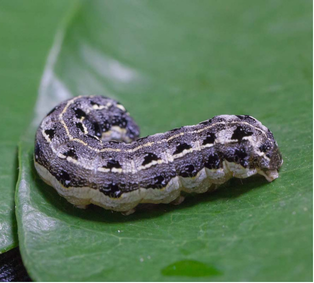
Caterpillars cause damage by chewing large whole in the leaves (cabbage worm), or by chewing the stem at the base of the plant (cutworm), causing it to die. All caterpillars can be treated with the pesticide Bt. Reapply this pesticide whenever it rains.
Aphids are a small, soft-bodied insect whose populations multiply very quickly. Aphids congregate on new growth and suck sugars out of leaves, draining the plant of life. Treat aphids with the pesticide Neem MAX, or be sprayed off with high-pressure water.
Harvest
Perfect timing at planting calls for harvest after our first frost (around November 2nd). A frost causes the plant to become very sweet and flavorful. If quick-maturing plants are ready for harvest before the frost, enjoy your crop!
Ask for help!
We at South Pleasantburg Nursery pride ourselves as plant nerds, connoisseurs, and gardeners.
Come by or call for any gardening needs!